
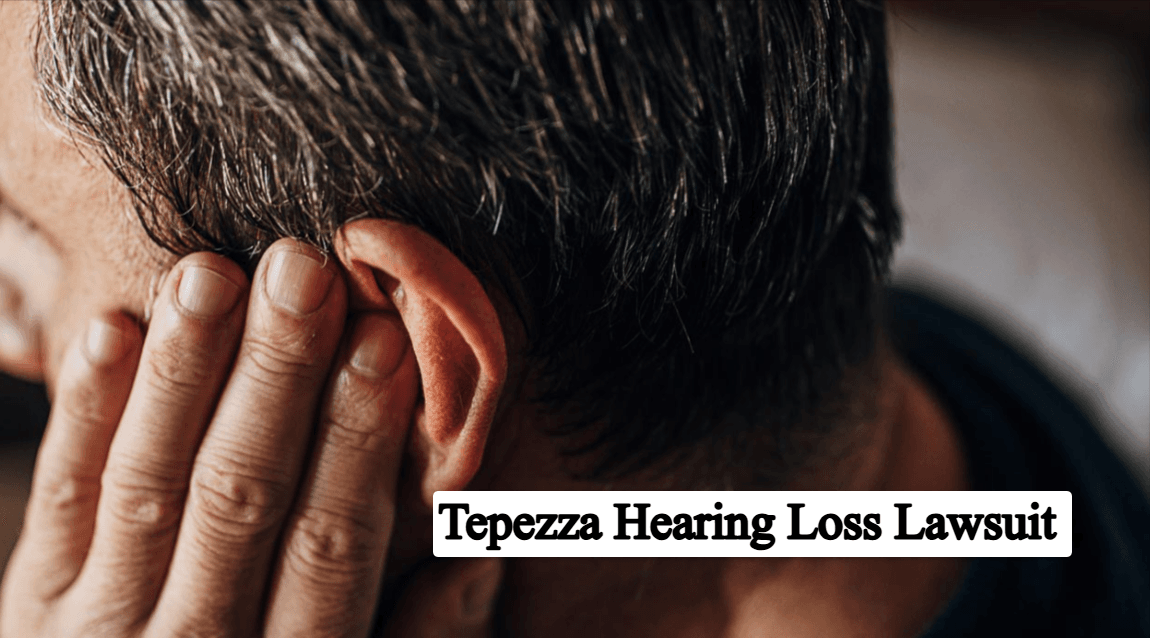
Tepezza is an intravenous prescription medication that was that was approved by the U.S. Food & Drug Administration (FDA) in January 2020 for treatment of Thyroid Eye Disease (TED) which is a condition that is associated with Graves’ disease. During this illness, the eyeballs could bulge. double-vision could occur, and the tissue behind the eyes become damaged.
After the approval and introduction users began to report hearing-related adverse consequences (including the occurrence of tinnitus, hearing loss complete or partial hearing loss). Manufacturer of the product is Horizon Therapeutics (and its U.S. affiliates).
In response to the new data that were uncovered, the FDA modified the label of Tepezza to include a specific warning:
“Tepezza can cause serious hearing loss, including hearing loss that in certain cases could be permanent. Examine the hearing of patients prior to and during treatment with Tepezza, and think about the risk-benefit ratio for treatment.”
Legal Claims & Allegations
In the litigation currently pending the plaintiffs have raised a variety of allegations in the case against Horizon Therapeutics (and related entities). The main allegations are:
- Failure to warn or inadequate labeling
Plaintiffs assert that Horizon was aware (or ought to have been aware) of the danger of hearing damage due to Tepezza. However, it didn’t adequately inform patients or doctors, and neither did it change the label on time which could have exposed patients to the possibility of permanent hearing loss without proper warning. - Defective design / inadequate testing
Some claims argue that the design of the drug (mechanism in action) has inherent risk of hearing damage and that Horizon did not conduct sufficient long-term studies on the effects of hearing. Plaintiffs argue that this is due to a flaw of the medication. - Causes of hearing loss
The complaint claims that those that received Tepezza infusions, and then experienced hearing impairment, such as tinnitus, or other auditory impairments were harmed due to the drug and that the company responsible for the drug is responsible for the harms. Numerous studies show that there is a greater risk of hearing-related adverse consequences than was initially reported. One study showed that as high as 65percent of patients had hearing problems compared to the 10 percent reported in earlier studies. - Compensation for damages
Plaintiffs seek to recover costs related to medical treatment (hearing aids and cochlear implants as well as audiology monitoring) as well as loss of earnings (if hearing loss affects the working ability) or suffering and pain, a decrease in quality of life and other harms that are related.
Litigation Status & Procedural Developments
Here’s what’s happening currently (in 2025) in the Tepezza hearing-loss case:
- The cases were consolidated into an federal multidistrict litigation (MDL) in front of the United States Judicial Panel on Multidistrict Litigation in the Northern District of Illinois (Judge Thomas M. Durkin).
- In April 2025, there were more than 200 lawsuits that had been that were filed.
- Bellwether trial trials in the early stages (representative cases chosen to examine legal aspects) have been scheduled. Originally scheduled for mid-2026, however some deadlines have been delayed.
- A major settlement in the world has not been announced publicly (as at the end of 2025). Legal analysis suggests that the case is in the process of discovery and the outcome will be contingent on causation evidence and the severity of the injuries and the defendant’s record of knowledge/warning.
Why This Case Matters
For Patients
Hearing is a vital sense; when it is compromised–especially permanently–it has profound consequences. Patients who are treated for TED with Tepezza the possibility for hearing loss and Tinnitus (ringing in the ear) is not only annoying but could be life-altering. The lawsuits show the fact that patients (and their doctors) have to weigh the benefits of treatment against the possibility of irreparable side effects and, crucially be sure to follow the correct warnings.
For Drug Manufacturers
This case demonstrates the need of pharmaceutical companies:
- Test for long-term and less frequent adverse effects (including the possibility of hearing damage)
- Monitor and report adverse post-market events
- Make sure to update the labeling as soon as new risks are discovered
Failure to comply with this requirement could cause liability for product defects negligence, failure-to-warn and consumer-injury claims.
For The Legal System
The Tepezza lawsuit is a case of the interplay between regulatory and mass torts that involves a drug with known adverse effects, new evidence of clinical risk that suggests greater as well as a change in the labeling of the drug and now a lawsuit about whether the manufacturer did what it should have done. The case raises questions of causality (did this drug trigger hearing loss? ) and allocation (how much of the loss was due to the drug or underlying illness? ) Quantification of damages.
Key Legal Considerations & Challenges
- Causes Plaintiffs must prove that the Tepezza causing cause of hearing loss (rather than other ailments such as age-related decline, or ear conditions that were already present). Expert testimony and medical records are important.
- Warning Effectiveness Was Horizon offer sufficient warnings? Did the label have the time to be updated? Did physicians know about the dangers? In July of 2023, the FDA label modification (adding “hearing impairment including hearing loss”) is significant.
- The extent and duration of the injury Are the loss of hearing permanent or temporary? Courts will determine the how severe the injury is, the length of impairment and if it is possible to recover. A few studies have shown the persistence of hearing issues in the majority of patients.
- Statutes of limitations and the eligibility criteria The filing deadlines differ by state. Timely legal action is important. Certain lawsuits require that the hearing loss persists for a specific period of time (e.g. six months or more) and it occurred following the use of the medication.
- Settlement vs. trial Mass tort lawsuits, settlement is typically possible when bellwether verdicts provide parties with an understanding of the risk. In the meantime, uncertainty about the outcome is.
What Could Plaintiffs Recover?
Although no final settlement numbers have been released for claims involving Tepezza’s hearing loss, the legal commentary offers some examples:
- Certain law firms estimate the value of each case could be between $55,000 to $1,000,000 depending on the severity loss of income, medical expenses and their impact.
- Hearing loss cases can be extremely diverse (from mild tinnitus up to complete deafness) Compensation will be contingent on the severity of the injury, the extent of treatment ongoing, as well as personal circumstances.
- For severe, irreparable hearing loss that is irreparable (e.g. the total loss) in different contexts the median award has surpassed $1 million. However, this doesn’t not necessarily mean Tepezza cases will be at these levels, the amount in hearing loss can be a major aspect.
Conclusion
The Tepezza hearing loss lawsuit is an important case that sits that straddles the line between the pharmaceutical industry and the safety of patients, regulation oversight and mass tort law. For those who have taken Tepezza, and then suffered hearing loss (or tinnitus) the case could provide an opportunity for accountability and remuneration. To the company, this suggests that the risks–especially serious and irreparable ones, must be reported and closely monitored.
In the event that you, or someone you know has taken Tepezza and experienced tonus or hearing loss it is recommended to speak with an attorney who is experienced in the field of dangerous drug litigation to consider the legal options available. With the changing character of MDL and the litigation calendar it is recommended to act sooner rather than later might be beneficial.

0