
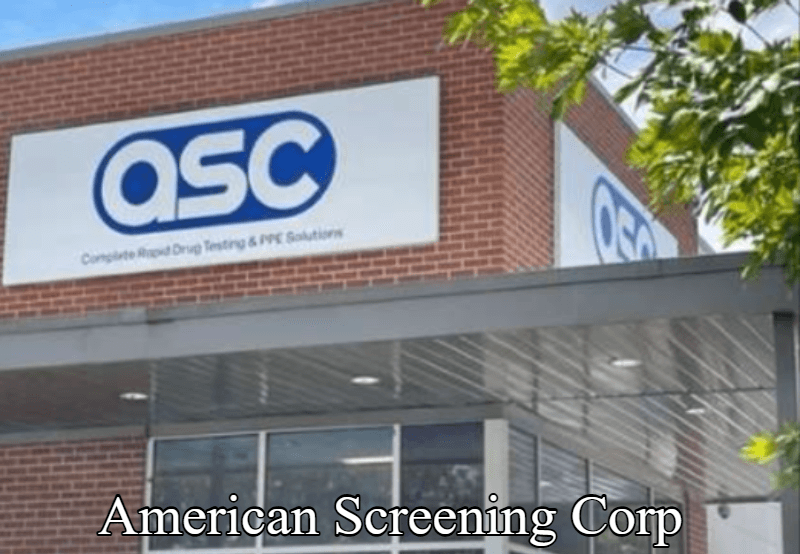
American Screening (also known as American Screening, LLC) is a Louisiana-based supplier of medical and laboratory equipment which has had to face a variety of prominent legal proceedings in recent years, the most notable being an Federal Trade Commission enforcement action concerning COVID-era PPE purchases, as well as an Equal Employment Opportunity Commission race-discrimination lawsuit against the natural hair of an employee. These cases, along with the bankruptcy case and other litigation are a good illustration of two themes: (1) consumer-protection scrutiny of online sellers who were affected by the pandemic as well as (2) increased enforcement of anti-discrimination laws in the workplace. This is a simple, straightforward overview of what transpired in the case, who was victorious and the lessons that businesses and consumers should learn from the experience.
The most important consumer case FTC brought suit against undeliverable PPE and prevailed
The pandemic began in early stages and it was the Federal Trade Commission (FTC) filed a lawsuit against American Screening, accusing the company of accepting online orders for PPE (masks or sanitizers.) and failing to fulfill the orders the items on time, and not delivering notices or refunds in accordance with the Mail, Internet and Telephone Order Rule (the “Mail Order Rule”). In the district court, a summary judgment was granted to the FTC and ordered almost $14.7 millions of consumer reimbursements, and permanently prohibiting the company from promoting and selling products for personal use. American Screening appealed; the Eighth Circuit affirmed the district court’s ruling on June 20, 2024. These rulings make the company an excellent illustration of the FTC taking action against pandemic-era sellers who misrepresented the availability of their products and didn’t reimburse customers.
Why it is important: the Mail Order Rule provides timely notice when the shipping time will be delayed. It also provides consumers with the right to cancel the order and get prompt refunds. It is the case that FTC has used the policy to obtain millions of consumers from businesses that accepted payment, but failed to send or reimburse. If you’ve placed an order for PPE but didn’t receive it, this is the kind of enforcement action that could return your money. Additionally, it indicates that regulators will demand large relief in the form of money and injunctions if consumer harm is widespread.
Employment discrimination suit — EEOC settlement over natural hair
In addition to the FTC case In addition, the U.S. Equal Employment Opportunity Commission (EEOC) filed a racial discrimination lawsuit against American Screening after an employee claimed she was fired for the reason that she was wearing the hair she had in her own natural style (type typically considered to be associated with Black hair). In 2024, the parties came to an agreement that American Screening agreed to pay $50,000 and to take other steps, like offering Title VII training and revising policies to stop discrimination against hair textures and race. The EEOC presented the case as an iconic Title VII race discrimination issue (disparate discrimination based on characteristics related to race).
What is the significance of HTML0? Courts and regulators are increasingly recognizing that appearance or grooming policies have a significant impact on employees of particular races (for instance, Black employees with natural hair). Employers should examine policies that call for “professional” looks and ensure they do not impose burdens that are disparate on groups that are protected. The EEOC settlement serves as an indication that even minor settlements in the form of monetary payments can result in the burden of corrective action and mandatory training.
Other lawsuits
American Screening also filed Chapter 11 bankruptcy protection on April 7th 2023 in response to its financial difficulties due to lawsuits and consumer claims. The bankruptcy filings as well as the court documents (available on the PACER/pacermonitor) reveal that the company is attempting to consolidate while facing consumer and creditor claims. Additionally, there are other civil disputes on the dockets (including business/counter-claims such as a RICO-style suit listed in court indexes), which is common when a business with many vendors, customers, and regulatory actions is in distress.
Why it is important: bankruptcy changes how individuals claimants collect moneytypically, both claimants and creditors have to file bankruptcy court and collect on a pro-rata basis. Enforcement judgments that are well-known can force small companies towards liquidation or reorganization.
Timeline (clean, quick)
- 7 April 2023 American Screening files Chapter 11 bankruptcy.
- 2022-2023 FTC enforcement comes forward alleging fraud in PPE sales District court gives summary judgment, orders restitution, and injunctions.
- June 27 2024 Eighth Circuit publishes opinion confirming district court remedies (refunds and a permanent injunction).
- October 27th 2021 to April 20, 2024 EEOC is charged with race discrimination, and the parties agree to an agreement (announced in April of 2024) with a $50,000 cash payment and corrective measures.
Practical tips for employers, consumers, and regulators
for consumers
- If you bought PPE (or similar products) and never received it or reimbursed, FTC actions like this indicate that you may have a way to get your money back Contact your bank to inquire about chargebacks, and also check the FTC/AG notices to see if there are Restitution programs. Mail Order Rule Mail Order Rule gives specific safeguards against delays in shipping as well as refunds.
Small businesses and e-commerce sellers
- Be clear about your the availability of your products and delivery times. If you can’t ship, the Mail Order Rule often requires you to notify customers and offer cancellations/refunds promptly. Failure to comply with this could lead to large enforcement actions and massive refund orders.
For employers
- Reexamine the grooming and appearance policies to ensure they have no disparate impact on employees. Make managers aware of Title VII and what constitutes discrimination on the basis of race, which includes regulations regarding hair texture. EEOC enforcement has become more attuned to these kinds of issues.
For legal observers/ investors
- This is a prime illustration of cross-track legal risk: FTC consumer enforcement, EEOC employment lawsuits private civil suits and insolvency cases can all overlap and amplify each other. Companies that grow quickly during times of crisis (like those selling pandemics) must ensure compliance with regulations to stay clear of civil and regulatory risk.
Where can I read the main sources
- FTC case page and other documents that summarize the complaint as well as remedies.
- Eighth Circuit opinion and appellate filings (Justia Summary as well as full opinion).
- EEOC news release as well as settlement information.
- Bankruptcy documents and plan filings on PACER/pacermonitor.
FAQ
Q Do you know when did American Screening go out of the business?
A An example: They had filed Chapter 11 on April 7 2023. That means they sought a court-supervised restructuring This does not necessarily result in permanent closure, however it is a sign of financial hardship and the need for restructuring.
Q: Can a single person be reimbursed for the Federal Trade Commission’s $14.7M purchase?
A: The court-ordered relief generally will direct refunds to affected consumers either through an claims process or disgorgement distribution through an appointed receiver. look through FTC notifications and docket of case for the claim instructions.
Q Does the company remain permitted to sell any product?
A Permanent injunction: The injunction issued of the FTC case specifically banned selling or advertising PPE; other business activities might be restricted with court-issued orders, bankruptcy requirements and settlements (and employers are advised to examine docket entries to determine their specifics).

0